

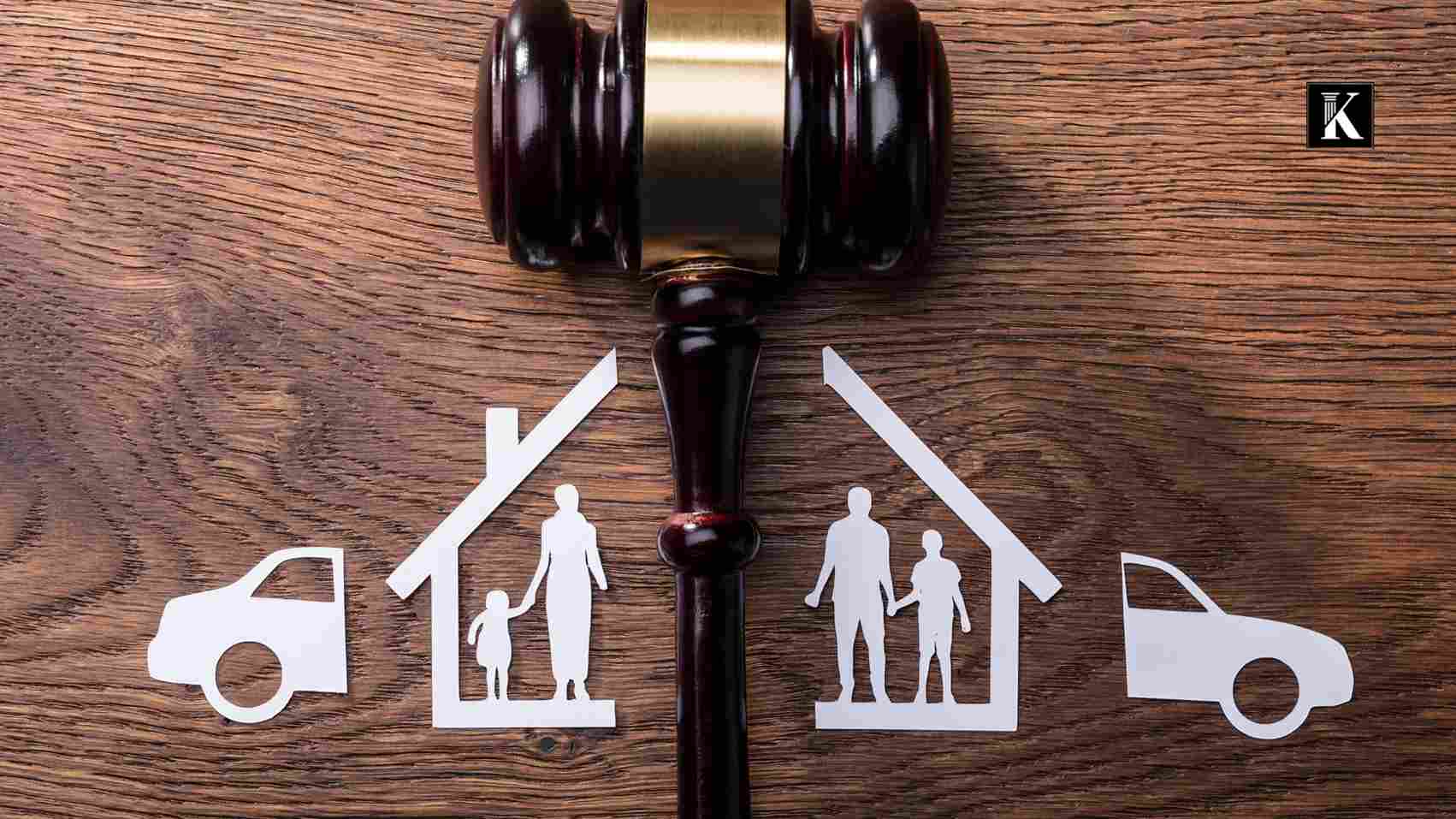
Legal Separation vs Divorce: Which One Is Right for You?
Introduction
Deciding to end or pause a marriage is never an easy decision. It’s a deeply personal choice that comes with emotional and legal consequences. In California, there are two primary options for couples seeking to live apart formally: legal separation and divorce. Although they may sound similar, these two legal paths are distinct in terms of their impact, process, and outcome.
This article will break down the differences between Legal Separation vs Divorce, explain what each option involves under California law, and help you think through which one might be right for your circumstances.
Whether you’re uncertain about ending your marriage or exploring other options, it’s helpful to understand the law in simple, easy-to-follow terms. Please note that this article doesn’t offer legal advice or make promises—it’s here to provide clarity so you can make informed choices.
What Is Legal Separation?
Legal separation is a court-approved arrangement that allows married couples to live apart and make separate decisions about finances, children, and property—without ending the marriage.
In California, legal separation involves many of the same legal steps as divorce, including:
- Division of property and debts
- Custody and visitation arrangements
- Child and spousal support
However, at the end of the process, the couple is still legally married.
Why Choose Legal Separation?
People choose legal separation for several reasons, including:
- Religious or cultural beliefs that do not support divorce
- Health insurance coverage—one spouse may stay on the other’s policy
- Uncertainty—some couples want space and structure while they decide if divorce is the right choice
- Financial reasons—including tax benefits or ongoing financial arrangements
Legal separation allows couples to live independent lives with legal protection, but without dissolving the marriage.
What Is Divorce?
Divorce, legally known as “dissolution of marriage” in California, is the legal process that permanently ends a marriage.
Just like legal separation, divorce includes:
- Division of marital property and debts
- Child custody and visitation plans
- Child support and spousal support decisions
Once the divorce is finalized, both individuals are free to remarry, and they no longer have legal ties to one another (except through shared children or financial obligations, if any).
Key Differences: Legal Separation vs Divorce
Let’s break down the key differences between the two:
|
Feature |
Legal Separation |
Divorce |
|
Marital Status |
Still legally married |
Marriage legally ended |
|
Ability to Remarry |
Not allowed | Allowed |
|
Court Process |
Similar to divorce, but does not dissolve marriage | Full legal end of the marriage |
| Religious/Cultural Acceptance | Often more accepted by certain beliefs |
May go against cultural or religious norms |
| Health Insurance Eligibility | May still be eligible to stay on spouse’s plan |
Usually ends insurance eligibility |
| Legal Protection | Yes – support, custody, and financial matters |
Yes – same legal protections apply |
Understanding these differences can help you and your spouse choose what fits best, especially if you’re not yet sure about ending the marriage entirely.
The Legal Process in California
In California, the process for both legal separation and divorce begins similarly:
- Filing the initial petition (either for separation or divorce)
- Serving the other party
- Waiting for a response
- Disclosing financial information
- Negotiating or litigating terms related to children, property, and support
- Receiving a final judgment
However, a key legal distinction is that California does not have a residency requirement for legal separation—you can file immediately after moving to the state. For divorce, at least one spouse must have lived in California for six months and in the county where you file for three months.
Which Option Is Better for You?
Choosing between legal separation and divorce depends on your specific circumstances. Ask yourself:
- Are you hoping to reconcile in the future?
- Do you want to keep your marital status for religious, personal, or financial reasons?
- Is staying on your spouse’s health plan important?
- Are you emotionally or practically ready for a complete divorce?
There’s no “one size fits all” answer. What works for one couple may not work for another.
How the Court Handles Children and Property
Regardless of whether you choose legal separation or divorce, California courts prioritize the following:
- The best interests of the child in custody and visitation
- Equitable division of community property (assets and debts acquired during the marriage)
- Fair support orders based on income and need
Both processes involve creating legal agreements or orders that handle the following:
- Where children will live
- Parenting schedules
- Child support payments
- Division of joint property like homes, bank accounts, and cars
- Spousal support (if applicable)
Whether you’re legally separating or divorcing, it’s essential to have clear legal agreements in place. This helps protect your rights and reduces the likelihood of conflict later on.
When Legal Separation Turns Into Divorce
Sometimes, a couple begins with legal separation and later decides to divorce. That’s okay—California law allows you to convert your legal separation into a divorce at any time.
You don’t need to start the process over. You can file an amended petition or motion to ask the court to change your case from separation to divorce.
This step is common among couples who initially hoped to reconcile or needed time apart before making a final decision.
Working with a Lawyer
Family law can be complex, especially when emotions are involved. Working with a legal professional can help you understand your rights, protect your interests, and guide you through court procedures. Whether you choose separation or divorce, a reasonable attorney helps make sure you don’t overlook anything important.
If you’re in California and seeking support, KKG Law Offices assists with both legal separation and divorce matters. The team understands the local court system and can provide the legal help you need to move forward with confidence.
Depending on your case, you might work with a divorce attorney or a legal separation lawyer, each of whom specializes in different aspects of family law. Regardless of the path you choose, having professional guidance can make the process smoother.
Common Myths About Legal Separation and Divorce
Let’s clear up a few common misunderstandings:
Myth 1: Legal separation is faster than divorce.
Not necessarily. Both require similar paperwork, court involvement, and time to finalize. Legal separation may be faster in some cases due to the absence of residency requirements, but it still involves careful legal steps.
Myth 2: Legal separation means you’re not separated.
False. Legal separation is a formal and recognized status, as established by the court. It creates legal boundaries between spouses, much like divorce, without ending the marriage.
Myth 3: You don’t need a lawyer for legal separation.
That is not always true. While it’s possible to file without a lawyer, family law issues can be complicated. Mistakes in documents or misunderstandings about rights can lead to bigger problems later.
Final Thoughts
Deciding between legal separation vs. divorce is a personal choice that depends on your emotional, financial, and legal situation. Both options allow couples to live separately and manage family matters legally, but only divorce ends the marriage permanently.
Legal separation may be right for couples who are unsure about divorce, want to maintain health benefits, or are guided by religious or personal beliefs. Divorce is the right choice for couples who are ready to move on legally and emotionally.
Either way, you don’t have to navigate the process alone. Working with an experienced legal professional can help you understand your rights and make informed decisions tailored to your specific situation.
If you’re unsure where to start or need assistance moving forward, consider consulting a qualified attorney for guidance tailored to your specific needs.
FAQs: Legal Separation vs Divorce
1. Can I remarry if I’m legally separated in California?
No. Legal separation does not end your marriage; therefore, you are still considered legally married. To remarry under California law, you must obtain a divorce (dissolution of marriage).
2. How long must I reside in California before I can file for legal separation or divorce?
You can file for legal separation in California right away—there’s no residency requirement. For divorce, at least one spouse must have lived in California for 6 months and in the county where you file for 3 months.
3. Does legal separation provide the same financial protection as divorce?
Yes. Legal separation can involve court orders for property division, spousal support, child custody, and child support, much like a divorce. These protections are legally enforceable.
4. Can we convert a legal separation into a divorce later?
Yes. If you start with a legal separation and later decide to end the marriage, you can ask the court to change your case to a divorce. This saves time and eliminates the need to start over from scratch.
5. Do I need a lawyer for legal separation or divorce?
While it’s not legally required, having a legal separation lawyer or divorce attorney can help you understand your rights, avoid mistakes, and navigate California’s family court system more confidently.

Recent posts

Grandparents’ Visitation Rights in California—Myth vs Law

How Long Does an Uncontested Divorce Take in California?